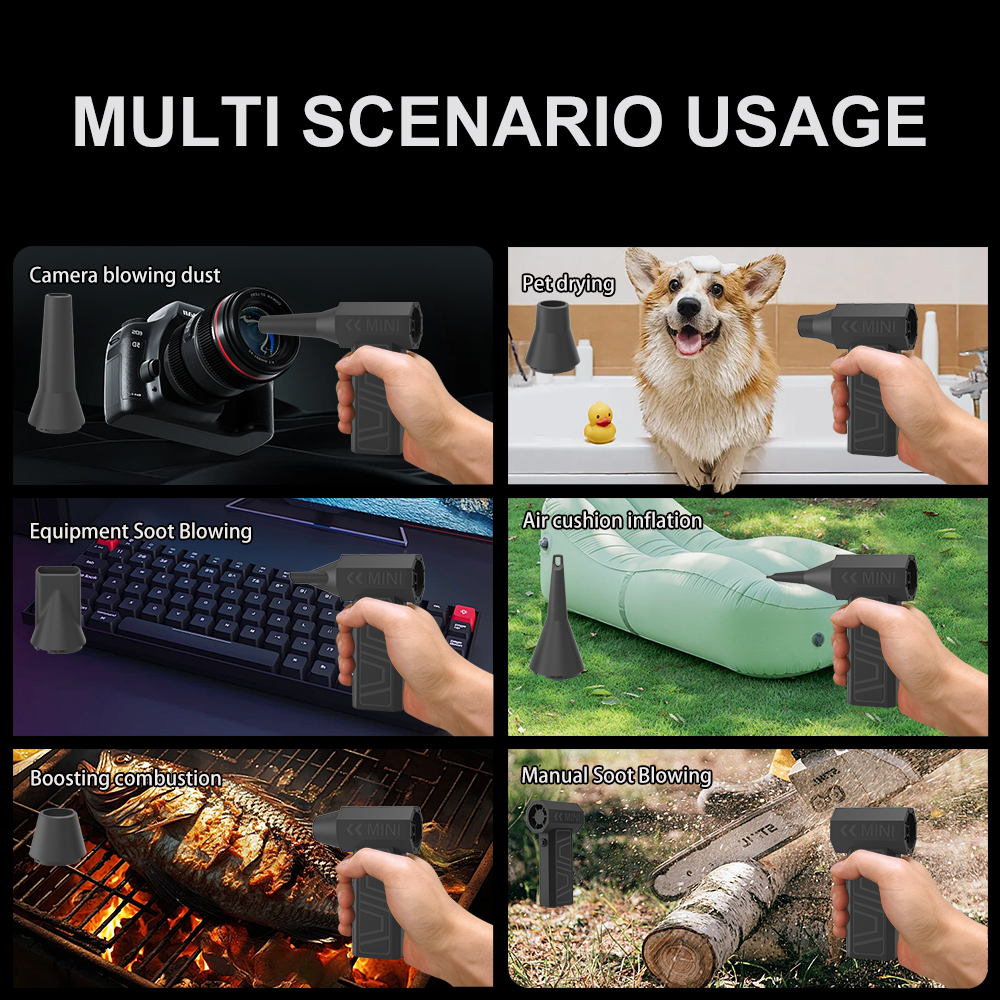
Sourcing consumer electronics from China is easy to start and easy to get wrong. If you are building a private-label air duster line, the manufacturer you choose determines your product quality, lead time, and risk. This guide walks through what to verify before you sign.
Start With the Factory, Not the Catalogue
The first question is blunt: are you talking to a manufacturer or a trading company? Traders have their place, but for margin and control you want a factory that owns tooling and assembly. Ask for:
- A factory tour video or live video call of the production floor.
- The number of production lines and daily output (MONIX runs 8 lines with ~10,000 pcs/day capacity).
- Evidence of in-house R&D and QC, not just assembly.
A real OEM/ODM manufacturer will show you the process, not just a price sheet.
Certifications Are Non-Negotiable
If you sell into the US, EU, UK, or Korea, certifications are table stakes. For air dusters specifically, look for:
- CE / FCC / RoHS for the US and EU electronics baseline.
- UKCA for the UK market.
- KC for South Korea.
- Patent coverage (US, China, EU) that protects your SKU from copycat claims.
Our certifications page lists the full set we hold. Treat any supplier who "can get certificates later" as a red flag — compliance should already exist.
Define Your Customization Scope
OEM and ODM are not the same thing, and the difference affects your cost and speed:
- OEM — you provide the design; the factory builds to spec. Best when you already have a product definition.
- ODM — the factory's existing platform (like the X3S) is rebranded or lightly modified. Fastest path to market.
Decide early whether you need a new mold or just packaging and firmware changes. New tooling adds weeks and upfront cost; platform-based ODM can ship in a single production cycle.
Understand MOQ and Lead Time
For a mature air duster SKU, a reasonable MOQ starts around 2 pcs for samples and scales to container loads for production. Clarify:
- Sample lead time vs mass-production lead time (MONIX: ~3–5 working days for standard orders).
- Whether the quoted price includes custom packaging and manuals.
- What happens to tooling ownership if you end the relationship.
Run a QC and Logistics Checklist
Before committing to a PO, lock down:
- Incoming material inspection and in-process QC stages.
- Burn-in / safety testing for battery and motor (over-temperature and over-voltage protection).
- Carton specs, labeling for your destination market, and Incoterms.
A manufacturer with a documented quality process will answer these without hesitation.
Questions to Send Every Supplier
Use this shortlist on your next RFQ:
- Can you show the production line and daily capacity?
- Which certifications do you currently hold (not "can obtain")?
- Is this OEM or ODM, and what is the tooling cost?
- What is MOQ, and what is realistic lead time at my volume?
- Who owns the tooling and the design files?
Bottom Line
The cheapest quote is rarely the cheapest outcome. Pick a manufacturer with real capacity, current certifications, and a transparent process — then standardize. If you want to see what a ready platform looks like, request a quote and we will send the X3S specification sheet the same day.